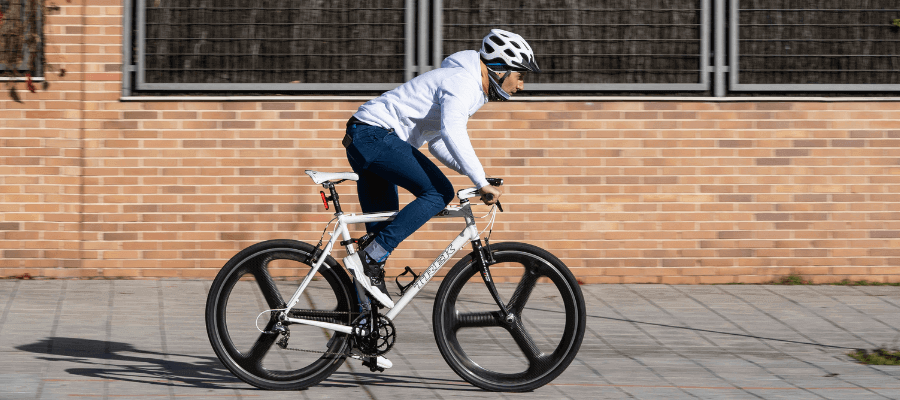
Cycling is in vogue, whether as a means of transportation, a sport, or a lifestyle. Thousands of people use bicycles every day, but for cycling to be safe, it must be accompanied by a helmet.

The laws regulating bicycle use in different countries require cyclists to wear a protective helmet. In addition, cyclists should wear reflective clothing and keep their bicycles in good condition.

Before starting with the choice of a helmet, let's answer some frequently asked questions.

What risks do you avoid by wearing a bicycle helmet?

The helmet is used to reduce the risk of traumatic brain injuries by lessening the impact on the head. The interior material is injected polypropylene that absorbs the impact, as the head slows down more gradually.

How does a cycling helmet protect me?

Here’s the translation respecting the HTML:

The helmets prevent injuries by providing an extra layer of protection between a hard surface and the head, reducing the acceleration of the impact that the cyclist experiences. This is achieved through a material called expanded polystyrene.

How to know if a cycling helmet is of good quality?

Here’s the English translation respecting the HTML structure:

The labels with abbreviations inside the helmet indicate compliance with regulations and the safety level. The helmets you’ll find at Eltin have the EN-1078 certification, which is the European standard. This certification involves impact tests with eight different head shapes and various anvils. They are conducted under hot (+50ºC), cold (-20ºC), wet conditions, and artificial aging.

Additionally, slip and retention are tested to ensure the helmet does not easily come off the head. The materials are examined to make sure there are no toxic substances.

What to look for when choosing a bicycle helmet

Now, we’re going to give you the key tips to choose the cycling helmet that best suits you, your discipline, and also your style.

1. Choose the helmet according to your cycling practice

There are different types of helmets for the various cycling disciplines, the most common being road and MTB.

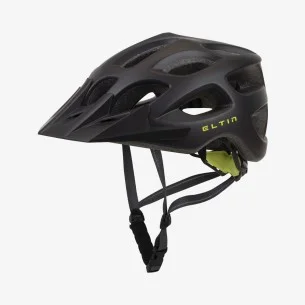
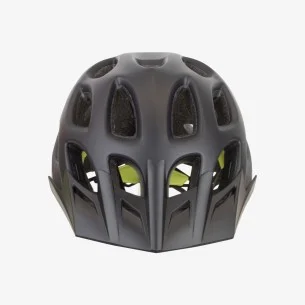
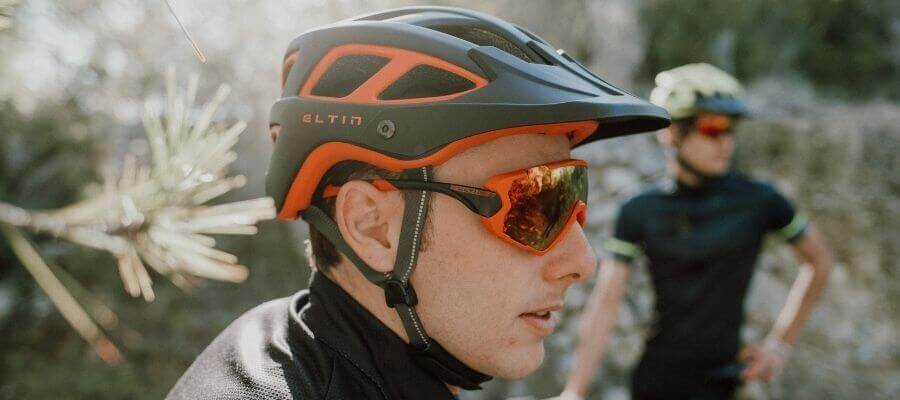
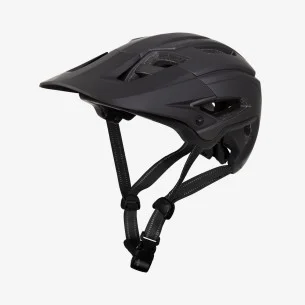
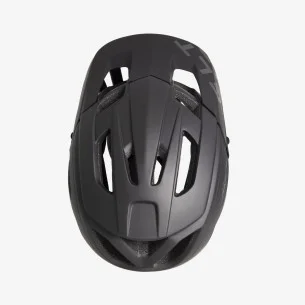
At Eltin you can find the Protect Helmet for mountain biking, which features 15 ventilation openings, removable pads, an adjustable strap with reflectors, and an adjustable visor.

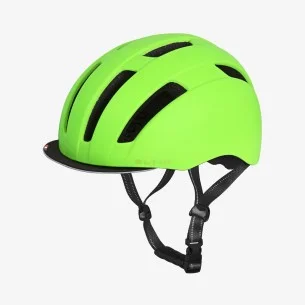
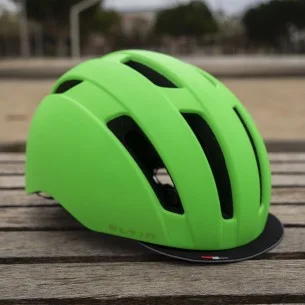
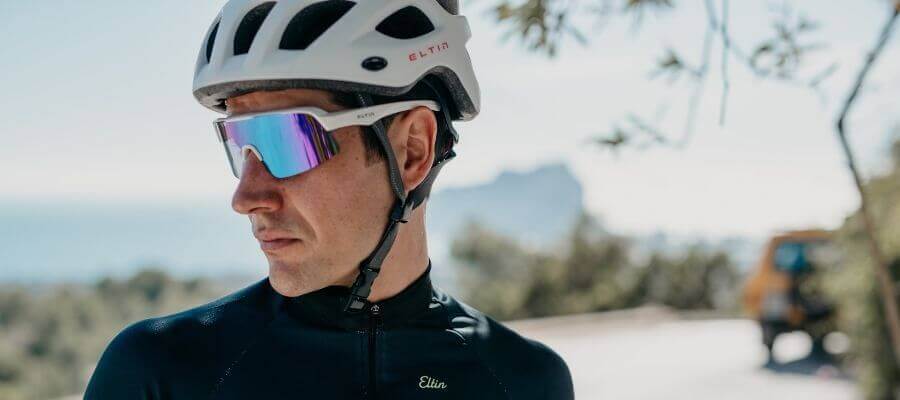
If you’re looking for a more versatile helmet that works for both MTB and road cycling, the Brave Helmet is your choice. It has 19 ventilation openings, removable pads, adjustable straps with reflectors, and a detachable visor.

Helmets designed for mountain biking:

  • Ventilation that works very well even at low speeds.
  • Offer greater protection at the nape of the neck.
  • Include visors to protect from the sun.
  • Very good fit to prevent movement on uneven terrain.

Helmets designed for road cycling:

  • Lightweight
  • Abundant ventilation
  • Aerodynamic design
mtb

2. Helmet construction for cycling helmets

Most helmets are made using a method known as in-mold. This process involves fusing the helmet shell with the inner lining without using adhesives, which helps produce lightweight and durable helmets.

  • The outer structure, usually made of thermoplastic, serves to keep the helmet lining intact upon impact.
  • The helmet body, generally made of expanded polystyrene foam, functions to dissipate impact energy.
  • The inner pads provide comfort and absorb sweat and moisture, helping to keep your head cool. They can also be removed and washed.
casco mtb

3. Main Features of a Cycling Helmet

  • Ventilation: helps keep your head cool by allowing air to circulate. It’s important to consider the conditions you’ll face on your rides and choose a bike helmet with adequate ventilation. At Eltin, you’ll find helmets with 19 and 15 ventilation vents.
  • Adjustable straps: make sure the straps can be easily adjusted and that the helmet is easy to fasten and unfasten. All helmets on our website eltincycling.com come with adjustable straps with reflective elements.
  • Visor: Provides protection against the sun, but not all helmets have a visor. Some give you the option to attach or remove it, like the Eltin Brave Helmet.
casco brave

4. Proper Fit of the Helmet to the Head

Here’s the English translation respecting the HTML structure:

The important thing when trying on a helmet is that it fits your head comfortably and that it does not wobble. You can adjust it using different pads or with its adjustment system. The Eltin cycling helmets Protect and Brave come with removable pads.

Another important point is to ensure the helmet sits at an appropriate height, approximately two finger-widths above your eyebrows, to maintain good visibility and protect your forehead.

The strap adjustment is very important. The straps should form a “V” shape under your ears. The buckle adjustment should be such that when you open your mouth, the helmet presses lightly on the top of your head.

If you wear glasses, you should place them over the helmet straps, meaning they should go on the outside. This has a simple explanation: in case of a fall, the risk of breaking is significant. If you wear your cycling glasses under the helmet straps, it will be harder for them to come off, and if any part breaks, it could cause injuries. If you want to know more about the importance of glasses in cycling, visit this article.

casco brave

Make sure the helmet matches your style

It’s always a good idea to look for a helmet that matches your style and that you feel comfortable wearing.

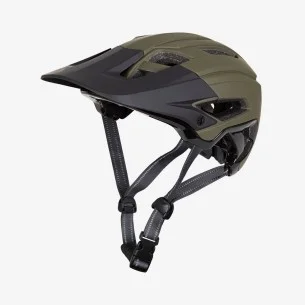
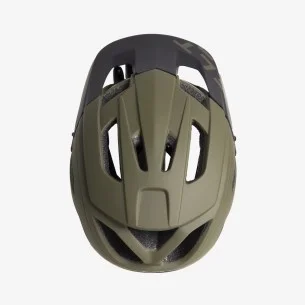
At Eltin you’ll find 3 models available in different colors.

urban

6. Special helmets for children

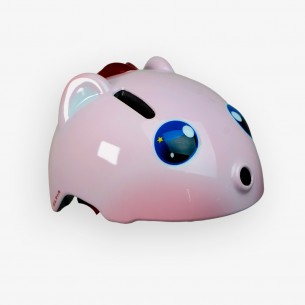
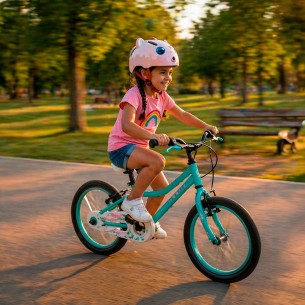
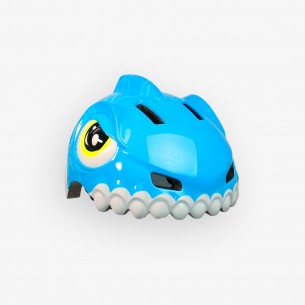
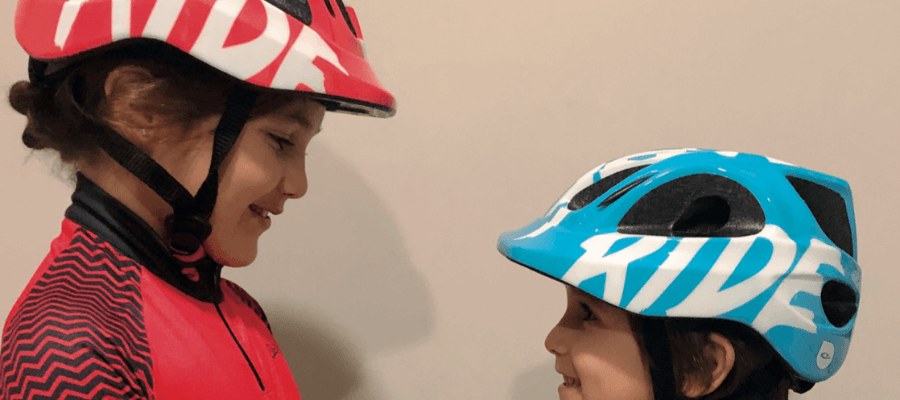
If you’re looking for a helmet for a child, at Eltin we have our Swift Junior model available in two colors: blue and red.

It features 13 ventilation windows, removable pads, and an adjustable strap, making it an ideal cycling accessory for younger riders.

casco junior

When should I replace my cycling helmet?

If you've had a significant impact, it's advisable to replace your helmet with a new one, even if it doesn't appear to be damaged.

It is recommended to replace your helmet at least every 5 years, as UV rays and pollution can degrade the materials.

How should I care for and maintain my cycling helmet?

  • Do not store your helmet in hot places.
  • Do not use solvents to clean your bike helmet. A damp cloth and soap are more than enough. The pads can be removed and washed separately, by hand or in the washing machine.
  • Avoid lending your helmet. It's always best to know exactly how it has been used and whether it has been exposed to any impacts.
  • If it suffers an impact or fall, even if not while cycling, you should check with your retailer, as the materials used in helmets often react to impacts or blows...

We hope this article has been helpful so you can keep pedaling in the safest, most comfortable way, while staying on top of the latest trends.

Remember that on our blog you’ll find articles about safety, maintenance, cleaning, trends, and many other topics.

Product added to wishlist