In this article, we want to help you understand the cycling regulations in force in 2026 and the main updates affecting those who ride a bicycle. Knowing and respecting the rules not only helps you avoid fines, but is also key to riding more safely and sharing the road responsibly with pedestrians and other vehicles.

Main Updates to Cycling Regulations in 2026
These are some of the most important DGT measures and regulations you should be aware of this year:
(The DGT (Dirección General de Tráfico) is Spain’s national traffic authority, responsible for road safety and traffic regulations.)
- Cyclists must ride in the centre of the lane on urban roads.
- Drivers must keep a safe distance when overtaking and reduce their speed.
- Visibility and lighting regulations have been reinforced.
- High-speed electric bikes now require mandatory insurance.
- Cyclists are allowed to filter through traffic jams under certain conditions.
- Some cities allow cyclists to ride against traffic on properly signposted 30 km/h streets.
Is Wearing a Helmet Mandatory When Cycling in 2026?
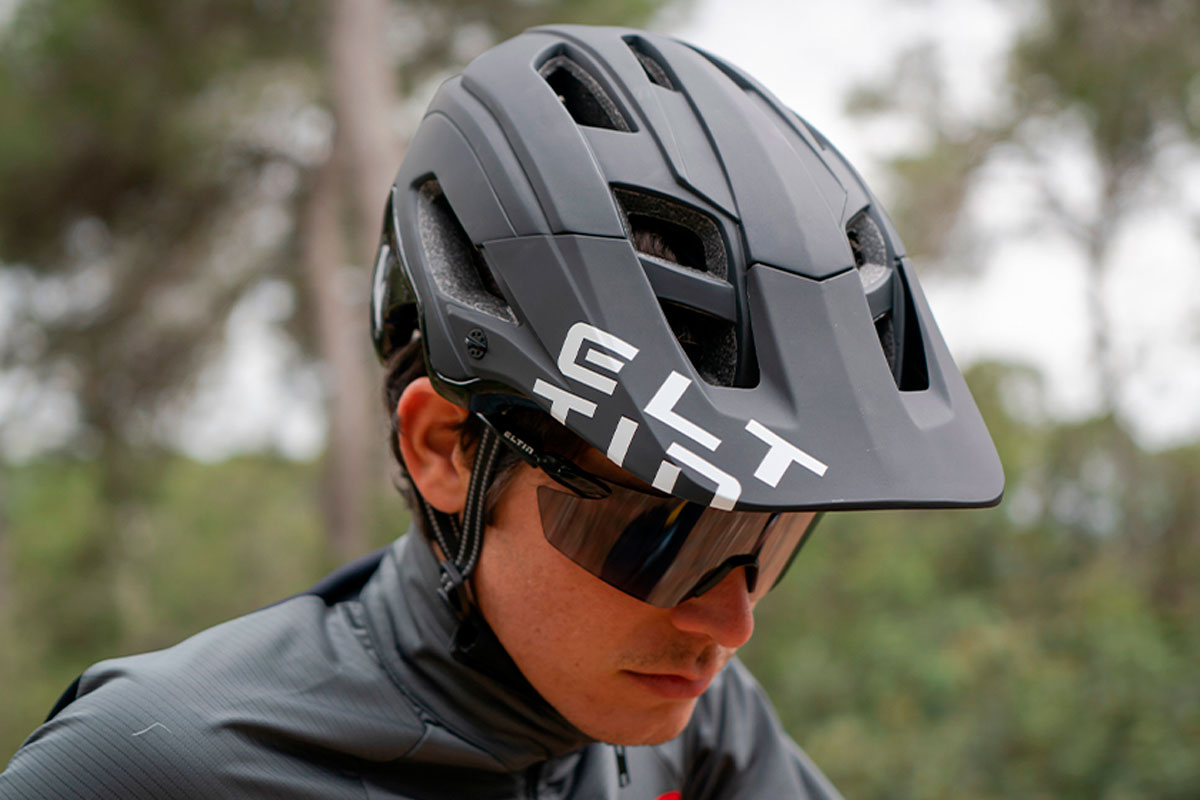
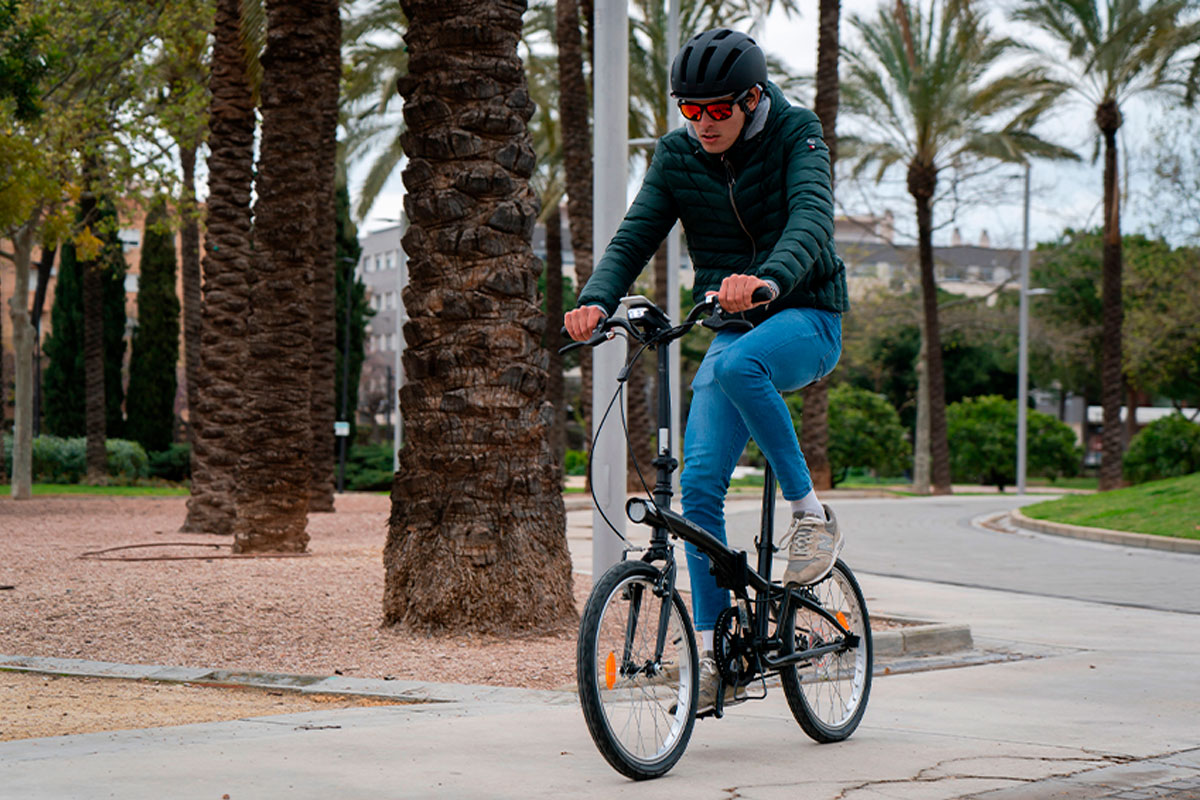
Helmets remain mandatory on roads for all cyclists.
In urban areas, the current rules are:
- Mandatory for riders under 16 years old.
- For adults, wearing a helmet is still highly recommended, although future updates to the General Traffic Regulations are expected to extend this requirement.
Beyond the legal requirements, a helmet is an essential piece of protective equipment and can help prevent serious injuries in the event of a fall or accident.
It is also important to always use an approved helmet that fits correctly.


Can I Use Headphones or My Phone While Riding a Bike?
NO. Using a mobile phone while riding a bicycle is prohibited, whether it is for making calls, checking messages, taking photos or using apps.
It is also forbidden to wear headphones, even if you are not listening to music. They reduce your ability to stay alert and react to unexpected situations.
Fines for using a mobile phone or headphones while cycling can reach €200.
Alcohol and Cycling: What Is the Legal Limit?
Cyclists are also required to undergo alcohol tests.
The legal limits are the same as for other road users:
- 0.5 g/l of alcohol in blood
- 0.25 mg/l in breath alcohol concentration
For minors, the permitted limit is 0.0.
The recommendation is clear: if you are going to ride a bike, avoid alcohol completely.
Cycling under the influence of alcohol is highly dangerous. Fines range from €500 to €1,000 depending on the alcohol level and repeat offences, and the bicycle may also be immobilised.
Where Should a Cyclist Ride?
In the city
In urban areas, cyclists should preferably ride in the centre of the lane to improve visibility and prevent dangerous overtaking manoeuvres.
Where a cycle lane is available, it is recommended to use it whenever possible.
In addition, drivers should keep an approximate safety distance of between 3 and 5 metres from the bicycle.
On the road
If the road has a usable hard shoulder, cyclists must ride on it.
Cyclists may only leave the hard shoulder in specific situations, such as on long descents, when doing so is considered safer.


Can Cyclists Ride Side by Side?
YES. Cyclists are allowed to ride two abreast on roads, provided that:
- They keep as far to the right as possible.
- Visibility conditions are good.
- They do not cause congestion or difficulties for other vehicles.
On bends, hill crests or dangerous sections of road, cyclists must ride in single file.
Is It Allowed to Overtake Cars in a Traffic Jam?
YES. In traffic congestion situations, cyclists are allowed to filter past slow-moving or stationary vehicles on either the right or left-hand side, provided they do so carefully and make sure other road users are aware of the manoeuvre.
It is important to maintain a moderate speed and pay attention to opening doors or sudden changes in direction.
Mandatory Lights and Reflective Equipment
Visibility is one of the most important factors in reducing cycling accidents.
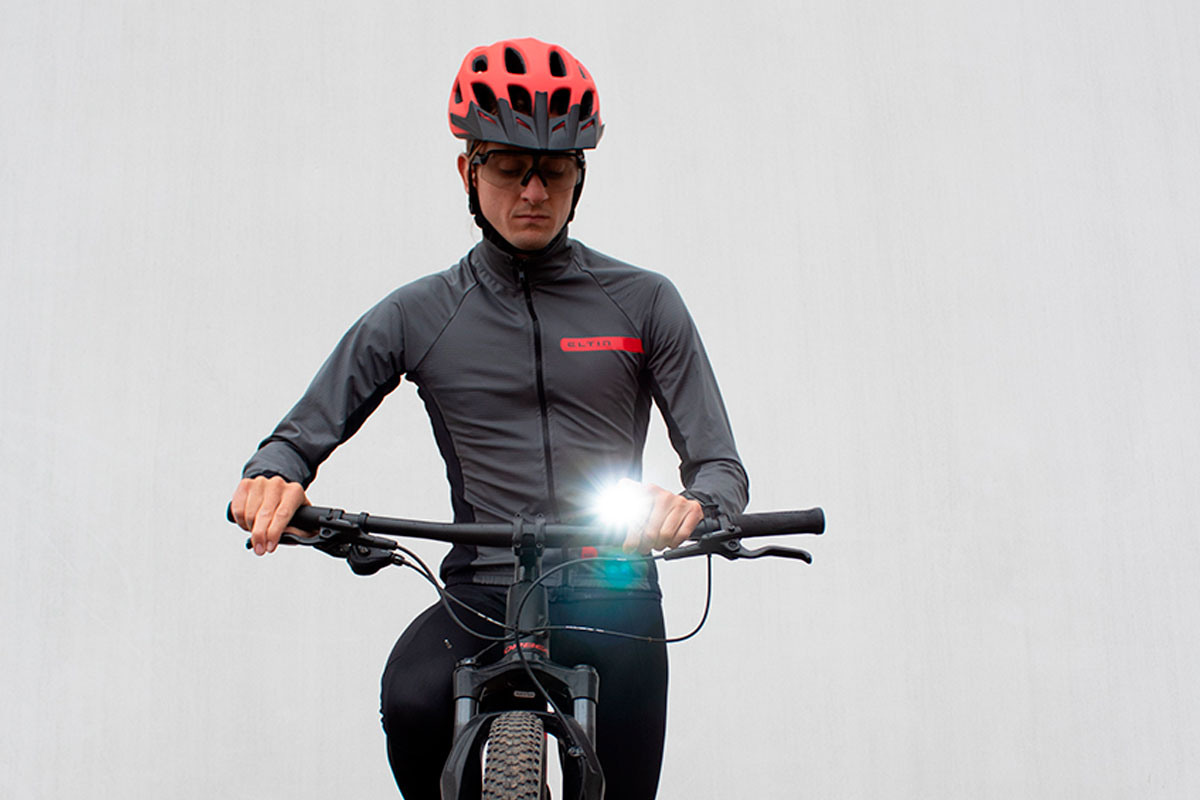
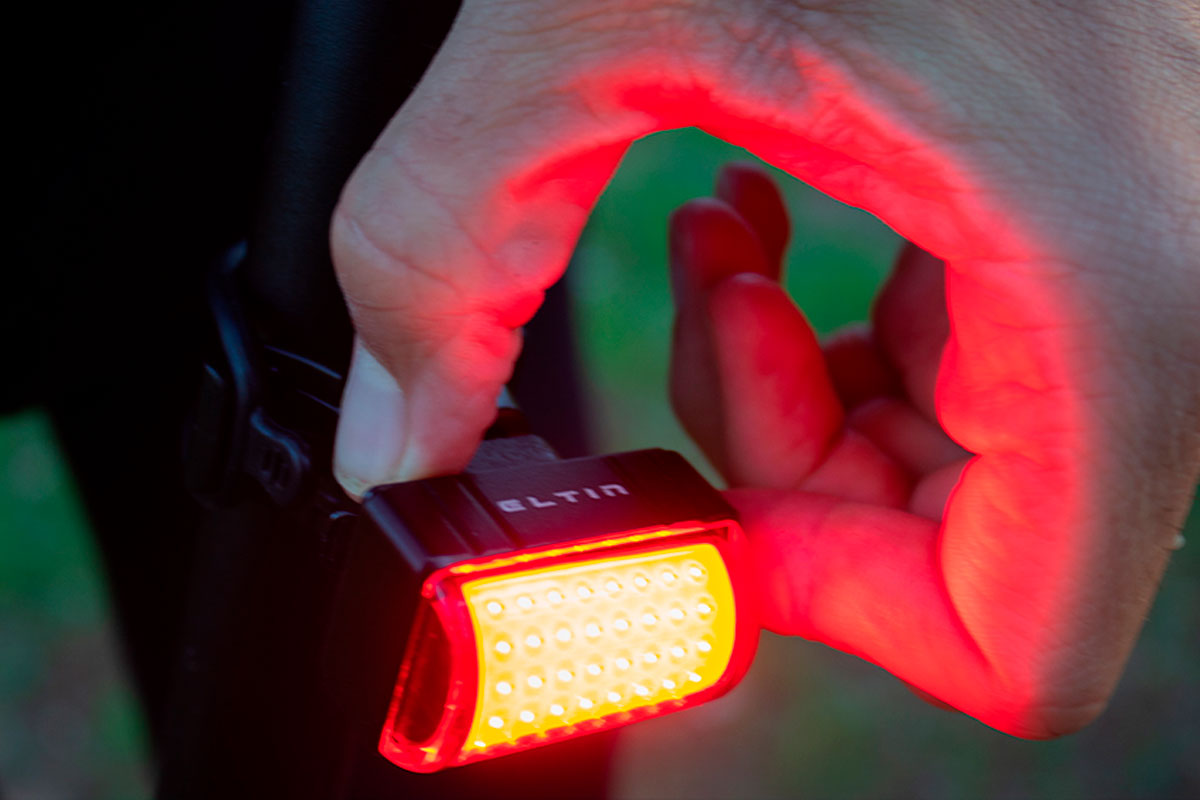
For this reason, when riding at night or in low-visibility conditions, it is mandatory to use:
- A white front light.
- A red rear light.
- An approved rear reflector.
In addition, cyclists must be visible from a minimum distance of 150 metres.
It is also highly recommended to use:
- Reflective vests or clothing.
- Reflectors on wheels and pedals.
- Daytime running lights to improve visibility to other road users.
Even during the day, using a rear light can significantly improve your visibility on the road.


Can I Cross a Pedestrian Crossing While Riding My Bike?
NO. Pedestrian crossings are exclusively for pedestrians and must be crossed on foot.
If you want to cross legally, you must get off your bike and walk across.
Riding across a pedestrian crossing can create dangerous situations for both pedestrians and drivers, and may result in fines of up to €200.
Do Bicycles Have Right of Way?
YES, but only in certain situations.
Cyclists have right of way when riding on:
- Cycle lanes.
- Cycle crossings.
- Signposted hard shoulders.
In all other situations, general traffic rules, road signs and established right-of-way regulations must be respected.
It is also important to remember that vehicles are prohibited from stopping or parking while blocking cycle lanes or cycle crossings.
Can Cyclists Ride Against Traffic?
In some cities, cyclists are allowed to ride against traffic on streets limited to 30 km/h, provided there is specific signage authorising it.
This measure aims to improve urban cycling mobility and allow for more direct and safer routes.
However, not all cities apply this rule, so it is essential to always pay attention to road signs.
Riding against traffic on roads where it is not permitted may result in financial penalties.


Is It Mandatory to Have a Bell on Your Bike?
YES. All bicycles must be fitted with an approved bell.
A bell helps warn others of your presence and avoid dangerous situations, especially in urban areas or on shared paths with pedestrians. Other sound devices such as horns or sirens are not permitted.
Although many people overlook it, riding without a bell can result in a fine.
Can I Carry Children on a Bicycle?
YES, provided certain conditions are met:
- The rider must be over 18 years old.
- The child must not be older than 7 years old.
- An approved child seat must be used and correctly installed.
In addition, the child must wear a helmet whenever it is legally required depending on the type of road.
Carrying children incorrectly can put their safety at risk and may lead to financial penalties.
Is Bicycle Insurance Mandatory in 2026?
Conventional bicycles and pedelec electric bikes do not require mandatory insurance provided that:
- The motor does not exceed 250W.
- Motor assistance stops once the bike reaches 25 km/h.
However, more powerful electric bikes or those fitted with a throttle are legally considered similar to mopeds and must have third-party liability insurance.
Even so, regardless of the type of bicycle, taking out insurance is always recommended to cover potential damage or accidents.


Basic Tips for Safe Cycling
Always Signal Your Manoeuvres
When turning, changing lane or joining traffic, you should always signal your intentions to other road users using hand signals. It is also recommended to warn others of sudden braking by moving your arm up and down.
Clear signalling helps drivers and pedestrians anticipate your movements and greatly reduces the risk of accidents. However, signals should only be made when they can be performed safely without compromising your balance or control of the bike.
Respect Traffic Signs, Even as a Cyclist
Cyclists must also obey:
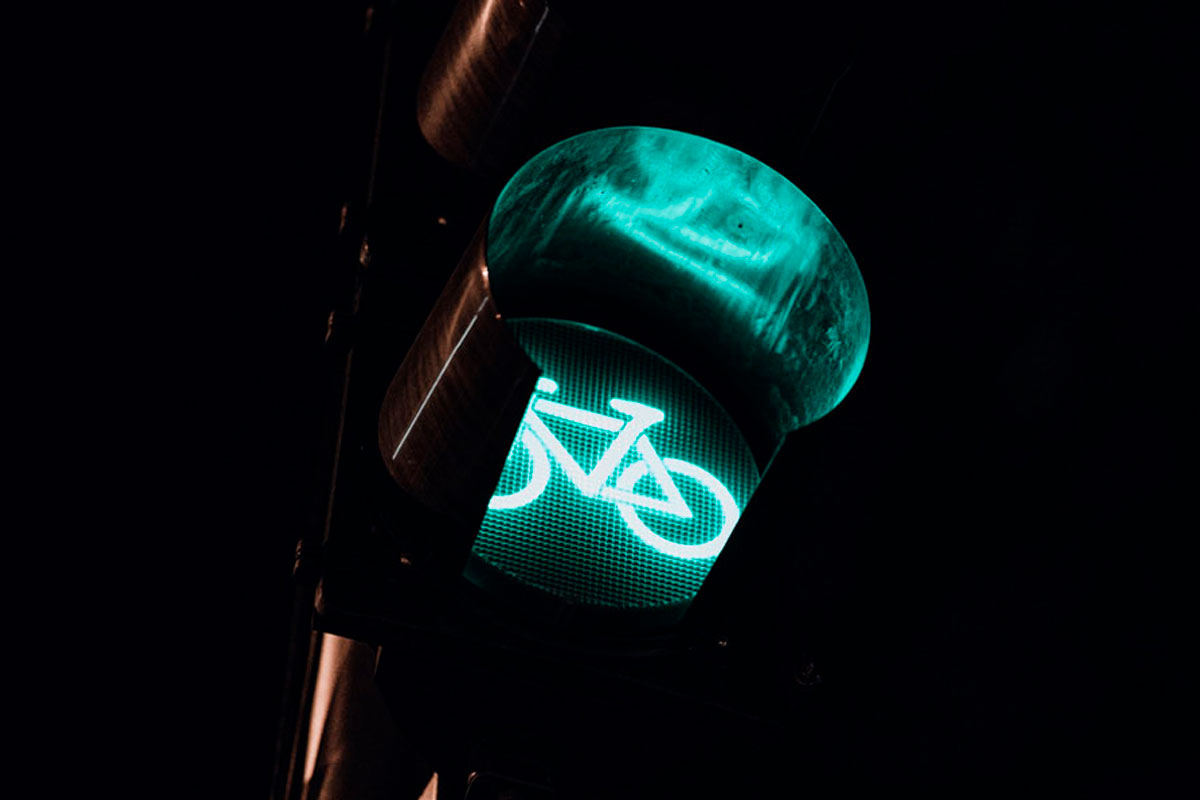
- Traffic lights.
- Stop signs.
- Give way signs.
- Speed limits.
- Pedestrian crossings.
Ignoring road signs or traffic lights remains far too common and is extremely dangerous.
In addition to financial penalties, failing to follow traffic regulations can lead to serious accidents involving both the cyclist and other road users.
Safety and Common Sense: The Keys to Enjoying Cycling
Cycling means freedom, health and adventure. But it also comes with responsibility.
Knowing the rules, respecting traffic regulations and using the right equipment are essential for enjoying every ride more safely.
Before heading out, always remember to:
- Wear a helmet and use lights.
- Make yourself visible.
- Signal your movements.
- Keep your bike in good condition.
- Respect other road users.
Because the most important thing is always to enjoy the ride… and get home safely.
#KeepOnCycling